From the outside, running a packed restaurant looks like a dream. Behind the kitchen doors, though, it’s a completely different story—one built on grit, constant math, and knowing when to pivot.
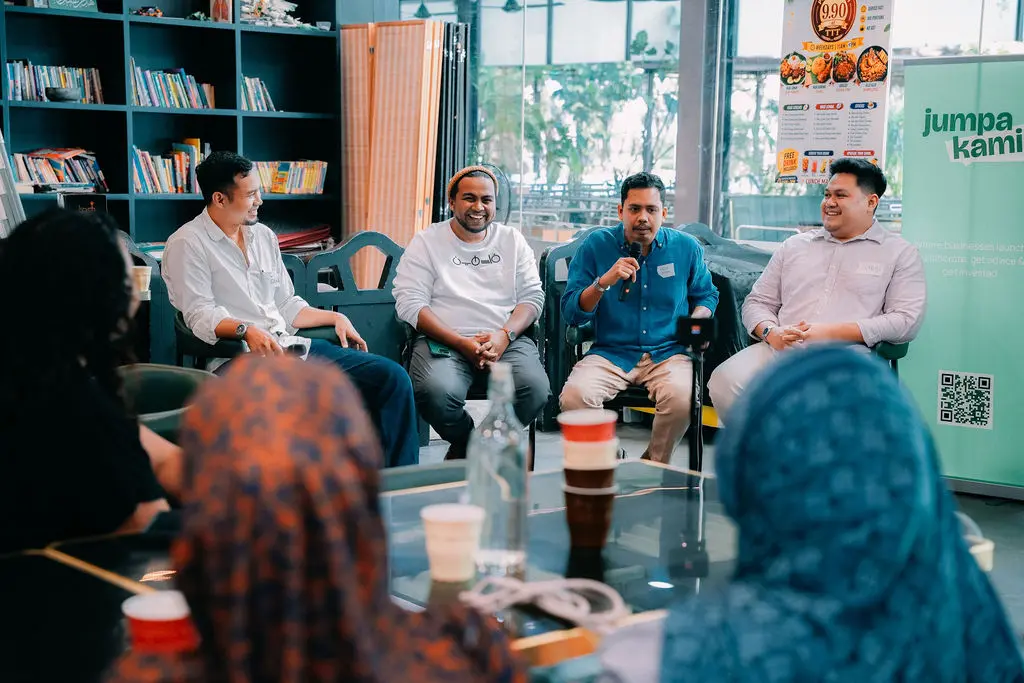
At a recent panel discussion, Arif (Rumah Makan Minang), Haris (Kulon), and Siraj (Mahmud’s Tandoor) got really honest about what it actually takes to survive and grow in F&B. Between sneaky supplier tricks and accidental viral fame, here are the biggest lessons they shared.
1. Keep a Hawk Eye on Your Numbers
In F&B, profits rarely vanish overnight—they usually just slowly leak away. The panel stressed that you have to check your food costs, labor costs, and supplier bills every single month without fail.
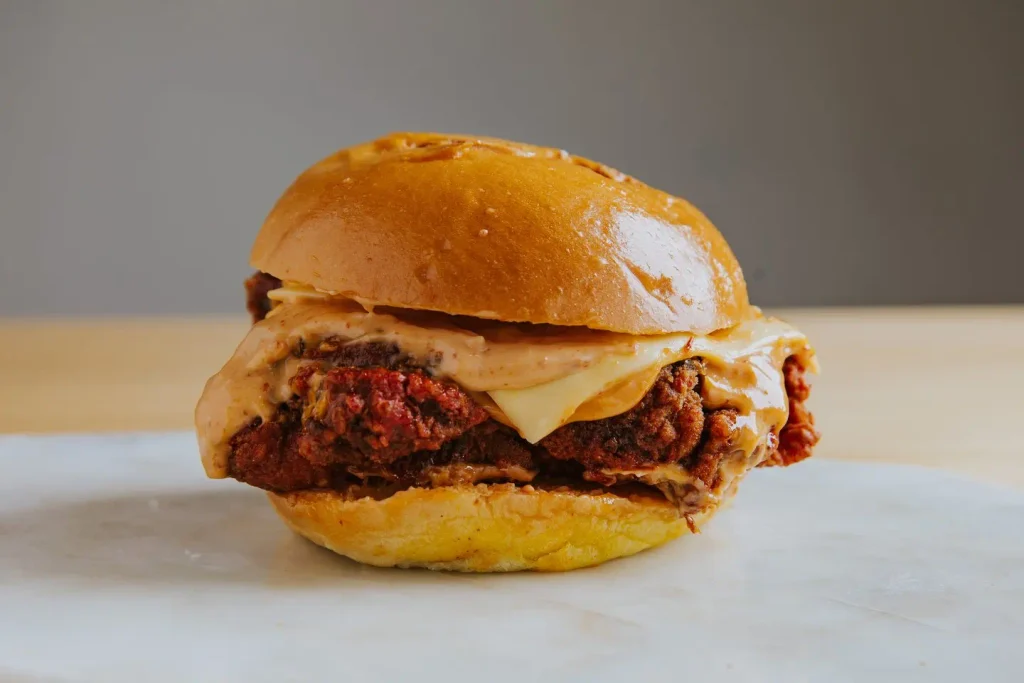
Take what happened at Mahmud’s Tandoor. On paper, their chicken supplier was delivering the exact total weight they ordered. Yet, their burger margins kept shrinking. When they dug into it, they realized each individual chicken fillet had gotten slightly heavier—meaning fewer pieces per batch, and fewer burgers they could actually sell for the exact same cost. Those tiny, unnoticeable shifts can quietly eat you alive if you aren’t paying attention.
2. Innovate Without Losing Your Identity
Every food business has to experiment to stay fresh, but how you do it really depends on the kind of brand you have:
- Ride the seasons: If your brand is naturally experimental, festive seasons like Hari Raya, Deepavali, or Christmas—plus pop-up food events—are the best times to test out wild new menu items without committing permanently.
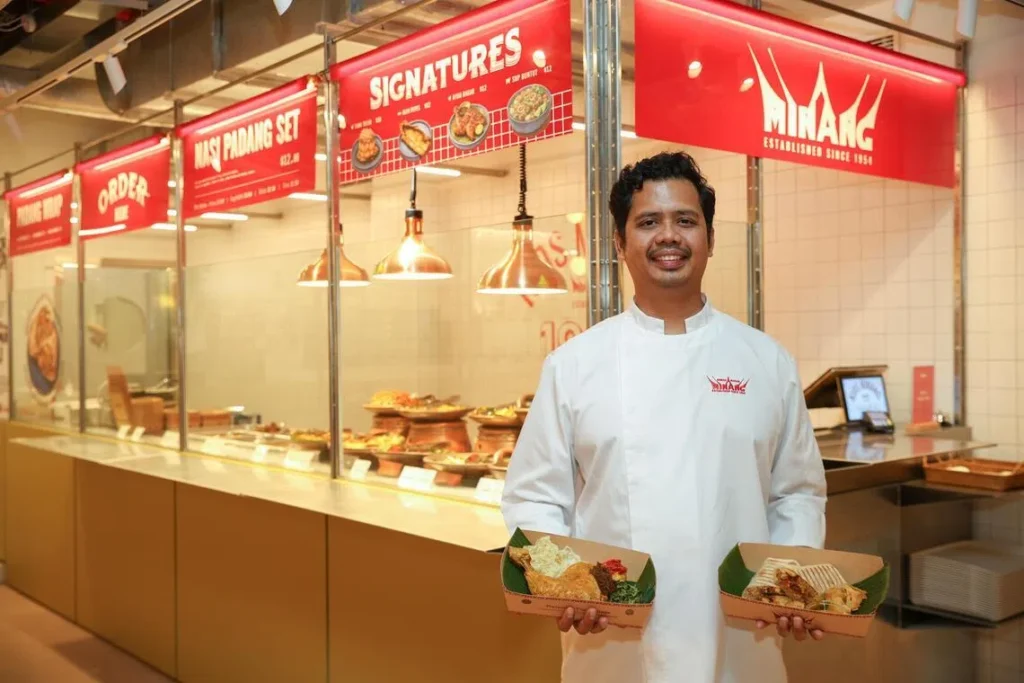
- Protect your heritage: If you’re running a legacy brand like Rumah Makan Minang, suddenly messing with classic recipes is risky. Instead, Arif innovates around the edges. They’ve done fun brand collabs (like teaming up with Indomie) and even launched a separate experimental spot at New Bahru called Kios Minang, where they can play around with creative ideas like Nasi Padang burritos without confusing their regular crowd.
- Start with local flavors: When Haris experiments, he focuses heavily on what local taste buds already love. By blending familiar Javanese flavors with Japanese ramen—and using collaborations to make a splash—they make new concepts feel approachable right away just like how he does it at Ono Ramen.
3. You Can’t Always Script Virality
Sometimes the best marketing doesn’t come from a big ad budget—it just comes from paying attention and riding the wave when something clicks.
At Minang, a collaboration with Jinjja Chicken unexpectedly brought a massive wave of younger diners through the door. Seeing that shift, Arif handed the social media keys over to his teenage nephew. Knowing how youth culture works—where friends hype each other up, share everything, and turn things into memes—the nephew’s content took off. Suddenly, Arif wasn’t just the Executive Chef of Minang anymore; he became “that guy’s (his nephew) uncle,” and foot traffic boomed.
Haris had a totally different kind of viral moment when launching Mr Patin in Indonesia. He spent plenty of money on influencer marketing that barely moved the needle—only for a random customer’s post on Threads to blow up out of nowhere and put them on the map. As the moderator summed it up: just keep putting in the effort and trying new things, because the big wins often come from the angle you least expect.
4. Hire for Character, and Back Your Own Gut
You can have the best food in town, but the wrong people—or a lack of conviction—will hold you back.
Mahmud’s Tandoor learned a tough lesson when they hired a manager with tons of industry experience. At first, they brushed off how harshly he spoke to the staff, assuming the crew must have messed up badly to earn that tone. It wasn’t until the manager started treating the owners with that same disrespect that they realized the mistake. Letting him go immediately changed the energy in the kitchen—morale bounced right back, and everyone worked better. Experience isn’t worth much if someone ruins your team culture.
At the same time, sometimes you have to be a little stubborn when nobody else sees your vision. When Arif wanted to sell vacuum-packed Minang dishes and couldn’t get immediate buy-in from the company, he didn’t drop it. He rented a vacuum-sealing machine with his own money, packed the dishes himself, and sold them to friends and family just to prove the idea had legs.
5. Don’t Get Sentimental About Your Lease
One of the hardest truths in F&B? The moment a landlord sees long queues outside your shop, a steep rent hike is probably on the way.
A lot of business owners end up swallowing unfair rent increases simply because they feel attached to their original space. Arif’s advice is blunt: if a landlord isn’t being reasonable, pack up and move. You can always find a better deal somewhere else—and if your food is good, your loyal customers will follow you wherever you go.